Best Exterior Paint Colors for Colonial Homes
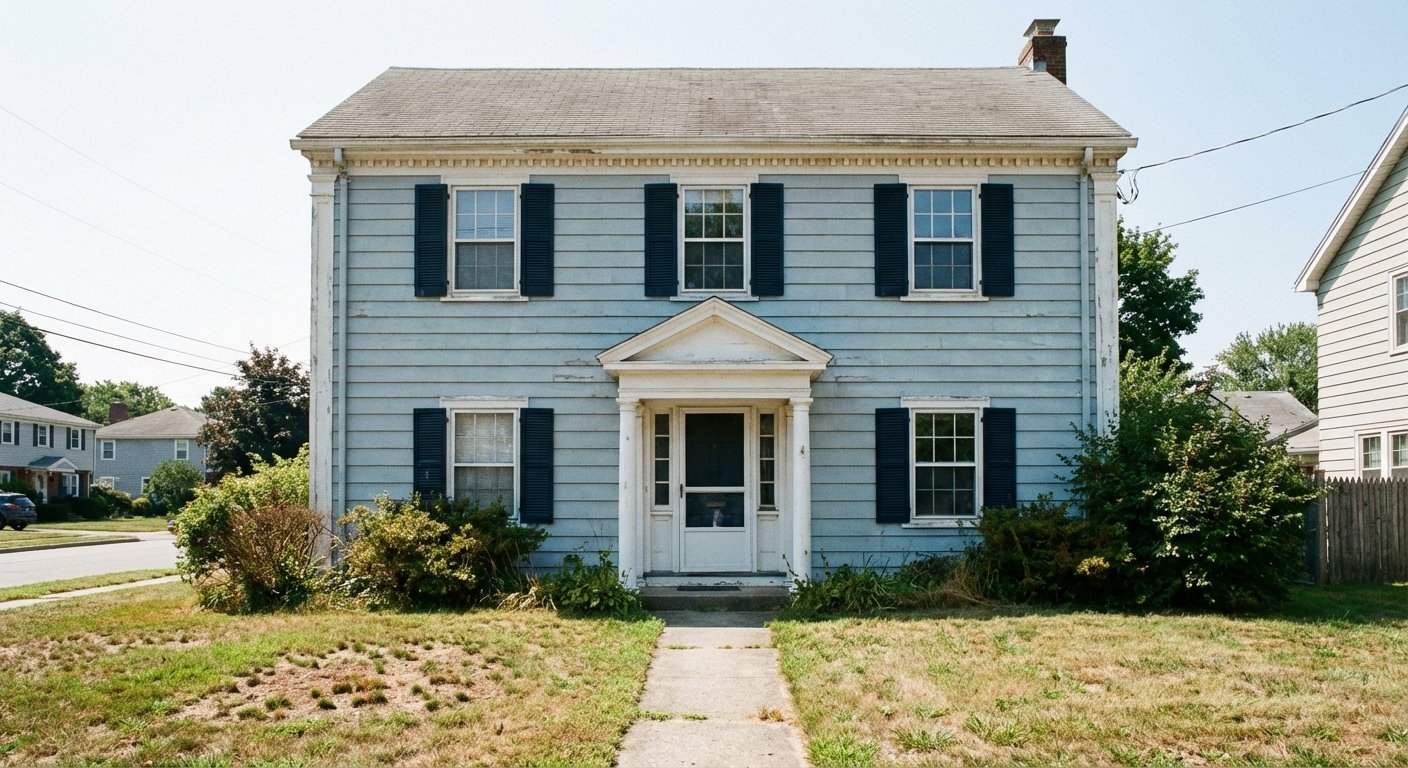
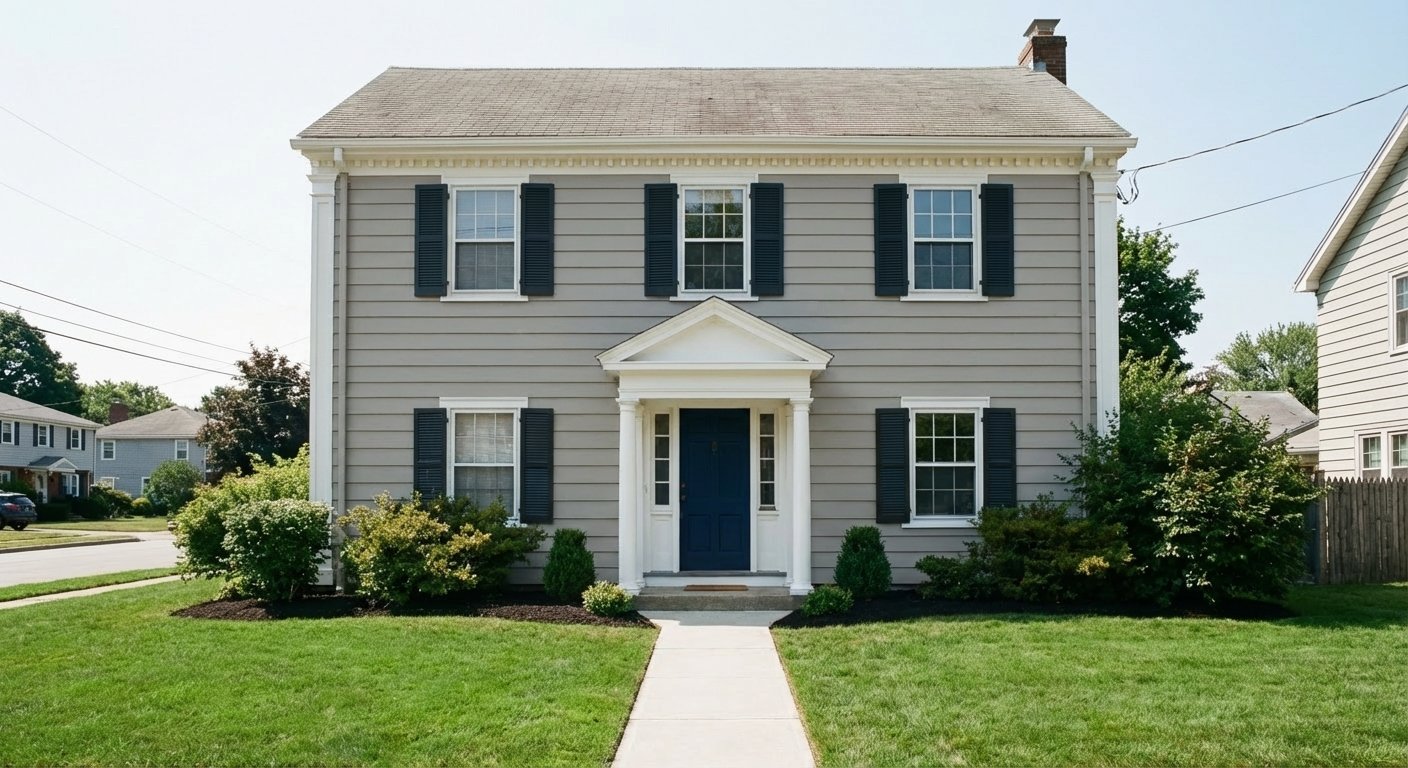
Colonial homes are defined by their strict bilateral symmetry, multi-pane windows, and formal entryways. Every color choice is amplified by repetition. The centered front door, evenly spaced shuttered windows, and prominent crown molding create a balanced canvas where body, trim, and accent must work in precise harmony.
What Makes Colonial Homes Unique
Colonial architecture dates to the 1600s–1800s and remains one of America's most enduring residential styles. The defining features, a rectangular footprint, side-gabled roof, symmetrically placed windows with functional or decorative shutters, and a paneled front door with sidelights or a transom, create natural separation between color zones. Exterior materials typically include clapboard or wood siding, brick, or a combination of both. The prominent cornices, dentil molding, and pilasters found on many Colonials reward thoughtful trim color selection. Flat or low-contrast schemes waste these architectural details.
Top Color Palettes for Colonial Homes
Classic Colonial
The most universally flattering Colonial palette. Agreeable Gray provides a warm, inviting body that reads sophisticated without going dark, while Dover White trim sharpens every cornice and window casing. A Naval front door anchors the symmetry with quiet authority. It's bold enough to be a focal point but traditional enough that it never feels trendy.
Try on your houseBold Statement
A dark-body Colonial is a head-turner. Inkwell reads as near-black in shade and reveals its navy depth in direct sun, far more interesting than flat black. The Alabaster trim creates razor-sharp contrast that defines every molding detail, while a Red Bay door is historically authentic and impossible to ignore. This palette works best on well-maintained homes where the trim is crisp.
Try on your houseWarm Heritage
Accessible Beige is the chameleon of Colonial body colors. It shifts warm in morning light and settles into a dignified tan by evening. Paired with Creamy trim (warmer than stark white, which can feel cold against beige), this palette feels established and timeless. The Rookwood Dark Green door adds period-appropriate richness without competing with the Iron Ore shutters.
Try on your houseCoastal Colonial
Coastal Colonials swap the traditional warmth for breezy blue-green tones without losing the formality the style demands. Silver Strand is cool enough to feel fresh but gray enough to avoid looking like a beach cottage. The Watery door is a quiet nod to the coast, understated rather than kitschy. Best suited for Colonials near water or in neighborhoods with lighter palettes.
Try on your houseColors to Avoid on Colonial Homes
Colors like Repose Gray or Passive fight the warm, traditional character of Colonial architecture and make the house feel institutional rather than stately. Colonial homes were built during eras of warm candlelight and wood tones. Cool modern grays create a visual disconnect.
Colonial architecture demands restraint. A hot pink, lime green, or electric blue front door undermines the formal symmetry the style is built on. Even if you want a pop of color, stay within heritage-appropriate tones: navy, forest green, deep red, or black.
Colonials rely on trim contrast to define their window patterns, cornices, and pilasters. Matching your body and trim color erases the architectural detail that makes the style work. You'll end up with a flat, boxy appearance instead of the layered facade Colonials are known for.
Tips for Choosing Colors for Your Colonial Home
- Start with your fixed elements. If you have a brick foundation or chimney, red-toned shutters will clash. Choose body and accent colors that complement, not compete with, existing masonry.
- Test samples on both the north and south sides of your house. Colonial symmetry means both faces get equal visual weight, and a color that looks warm in southern sun can read cold and flat on the shaded north wall.
- Shutters are non-negotiable on most Colonials. They're part of the architectural DNA. If yours are missing or rotted, replace them before repainting. The right shutter color does more for a Colonial's curb appeal than any body color choice.
- Consider a gloss or semi-gloss finish for the front door and shutters. The reflective quality adds depth to darker colors and highlights the paneled door details that define Colonial style.
See these colors on your Colonial home
Upload a photo of your house and preview any of these palettes in under 30 seconds, free.
Try PaintVue FreeFrequently Asked Questions
What is the most popular color for Colonial homes?
Should Colonial homes have shutters?
What color door looks best on a Colonial house?
Can you paint a brick Colonial?
Is white trim necessary on a Colonial home?
Explore Colonial Color Palettes
See Also
Best Colors for Ranch Homes · Best Colors for Craftsman / Bungalow Homes · Best Colors for Split-Level Homes · Best Colors for Cape Cod Homes · Best Colors for Mid-Century Modern Homes · Best Colors for Farmhouse Homes · Best Colors for Contemporary Homes · Best Colors for Tudor Homes · Best Colors for Mediterranean Homes